
"HotGirlzClub" – Alleged Darknet Drug Vendor Duo Faces Federal Charges
Jul 24, 2026
For years, the vendor name "HotGirlzClub" quietly built a reputation across multiple darknet marketplaces.
Customers left reviews.
Orders continued to arrive.
Payments flowed through cryptocurrency.
To buyers, it looked like another successful darknet vendor.
To investigators, it became a years-long investigation.
Earlier this week, the U.S. Drug Enforcement Administration (DEA) announced federal charges against two California residents accused of operating a nationwide darknet drug trafficking business while laundering the cryptocurrency proceeds from those sales.
According to prosecutors, Nicholas Aguilar (44) and Jessica Marcolina (37) allegedly sold fentanyl and methamphetamine through several darknet marketplaces under the vendor name "HotGirlzClub."
Investigators believe the operation began as early as 2020 and continued until the pair were arrested.
Rather than making an immediate move, law enforcement quietly watched the alleged operation for years.
Court documents claim that during just a seven-month period in 2025, investigators linked more than 500 parcels shipped through the U.S. Postal Service to the alleged network. Authorities say the packages contained controlled substances destined for customers across the United States.
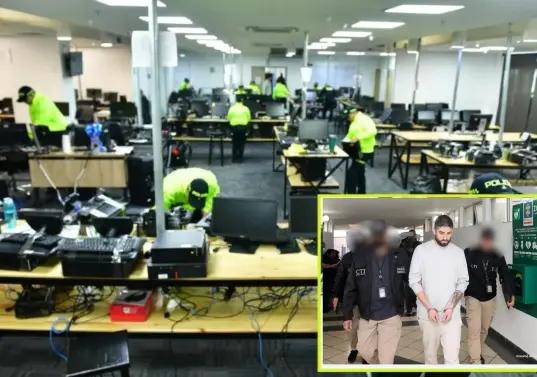
When search warrants were finally executed at properties in California, investigators say they recovered suspected narcotics, vacuum sealers, shipping supplies, counterfeit identity documents, electronic devices, firearms and cryptocurrency evidence believed to be connected to the alleged operation.
One detail stood out in the indictment.
Investigators allege the suspects included warning cards inside some packages advising buyers to "be safe" and test their tolerance before using the products. Prosecutors argue the notes demonstrate that the suspects were aware of the dangers associated with the drugs they allegedly distributed.
Both defendants now face federal charges related to drug trafficking and conspiracy to launder cryptocurrency. Like all criminal defendants, they are presumed innocent unless proven guilty in court.
Discussion
Cases like this show how much darknet investigations have evolved.
Instead of focusing only on cryptocurrency, investigators are now combining blockchain analysis, undercover purchases, postal tracking, digital forensics and years of surveillance to build their cases.
Do you think today's biggest risk for darknet vendors comes from blockchain tracing—or from traditional investigative techniques such as postal inspections and undercover operations?
Customers left reviews.
Orders continued to arrive.
Payments flowed through cryptocurrency.
To buyers, it looked like another successful darknet vendor.
To investigators, it became a years-long investigation.
Earlier this week, the U.S. Drug Enforcement Administration (DEA) announced federal charges against two California residents accused of operating a nationwide darknet drug trafficking business while laundering the cryptocurrency proceeds from those sales.
According to prosecutors, Nicholas Aguilar (44) and Jessica Marcolina (37) allegedly sold fentanyl and methamphetamine through several darknet marketplaces under the vendor name "HotGirlzClub."
Investigators believe the operation began as early as 2020 and continued until the pair were arrested.
Rather than making an immediate move, law enforcement quietly watched the alleged operation for years.
Court documents claim that during just a seven-month period in 2025, investigators linked more than 500 parcels shipped through the U.S. Postal Service to the alleged network. Authorities say the packages contained controlled substances destined for customers across the United States.
When search warrants were finally executed at properties in California, investigators say they recovered suspected narcotics, vacuum sealers, shipping supplies, counterfeit identity documents, electronic devices, firearms and cryptocurrency evidence believed to be connected to the alleged operation.
One detail stood out in the indictment.
Investigators allege the suspects included warning cards inside some packages advising buyers to "be safe" and test their tolerance before using the products. Prosecutors argue the notes demonstrate that the suspects were aware of the dangers associated with the drugs they allegedly distributed.
Both defendants now face federal charges related to drug trafficking and conspiracy to launder cryptocurrency. Like all criminal defendants, they are presumed innocent unless proven guilty in court.
Discussion
Cases like this show how much darknet investigations have evolved.
Instead of focusing only on cryptocurrency, investigators are now combining blockchain analysis, undercover purchases, postal tracking, digital forensics and years of surveillance to build their cases.
Do you think today's biggest risk for darknet vendors comes from blockchain tracing—or from traditional investigative techniques such as postal inspections and undercover operations?