
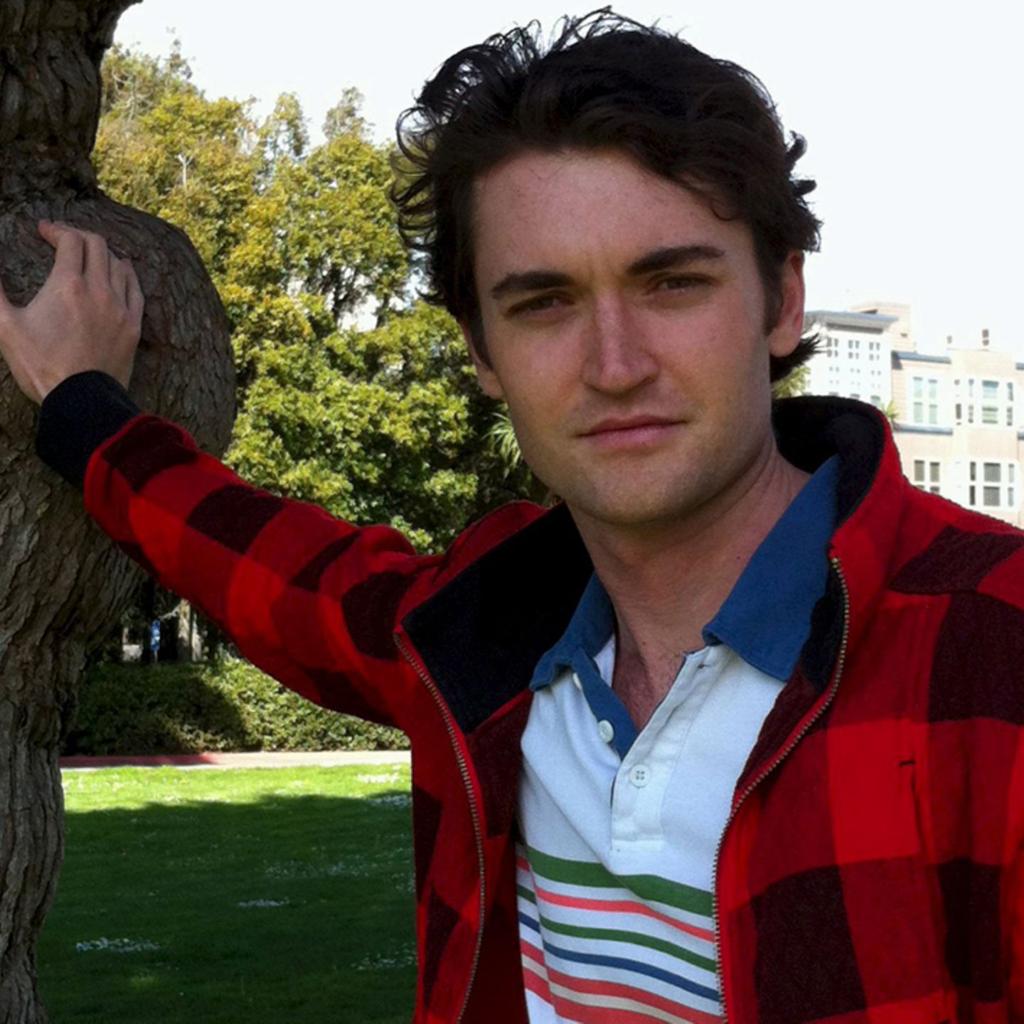
Ross Ulbricht – The Man Who Changed the Internet Forever
Jul 11, 2026
Long before AlphaBay, Dream Market, Empire or Abacus...
There was Silk Road.
Today, almost everyone knows the name Ross Ulbricht. Some see him as a criminal. Others believe he was a political idealist whose experiment spiraled far beyond what he originally imagined.
Whatever your opinion, one thing is difficult to deny:
Without Ross Ulbricht, the modern darknet marketplace probably wouldn't exist.
Before Silk Road
Ross Ulbricht wasn't a career criminal.
He studied physics, later earned a master's degree in materials science, and spent countless hours reading about economics, cryptography and personal liberty. Friends described him as intelligent, quiet and deeply interested in libertarian philosophy. He believed people should be free to make their own choices without unnecessary government interference.
One sentence from his online writings would later define his vision:
"I want to use economic theory as a means to abolish the use of coercion and aggression amongst mankind."
That wasn't the language of someone trying to build a drug empire.
It was the language of someone trying to build an experiment.
An Idea Nobody Had Tried Before
In early 2011, Ulbricht began working on a website hidden inside the Tor network.
His idea was surprisingly simple.
Take the buying and selling experience of Amazon or eBay.
Replace credit cards with Bitcoin.
Hide everyone's identity through Tor.
Allow strangers from around the world to trade directly with one another.
The project became known as Silk Road.
At first, very few people noticed.
Then word began spreading through Bitcoin forums and libertarian communities.
Slowly, buyers arrived.
Then vendors.
Then thousands more users.
More Than Just a Marketplace
What made Silk Road different wasn't only the technology.
It was the philosophy.
Ulbricht believed that voluntary exchange was preferable to violence. In his view, moving illegal drug sales from street corners to an online reputation-based marketplace could reduce some of the harms associated with traditional drug trafficking. Supporters saw it as an experiment in free markets and privacy, while critics argued it facilitated serious criminal activity.
The marketplace had rules.
Items whose primary purpose was to harm others, such as stolen credit cards or child exploitation material, were prohibited. Firearms were also removed after an early period. Despite those rules, Silk Road remained overwhelmingly known for narcotics and other illegal goods, bringing it squarely into the sights of law enforcement.
The Bitcoin Revolution
It's easy to forget how small Bitcoin was back then.
One bitcoin was worth only a few dollars.
Most people had never heard of cryptocurrency.
Silk Road changed that.
Thousands of people bought Bitcoin for the first time simply to shop on the marketplace.
Many early Bitcoin users discovered the currency because of Silk Road.
Love it or hate it, the site played a significant role in Bitcoin's early adoption.
The End of the Experiment
On October 2, 2013, the FBI arrested Ross Ulbricht in a public library in San Francisco.
Agents seized his laptop while it was unlocked and logged into Silk Road's administrator account.
The marketplace was taken offline the same day.
Two years later, Ulbricht was convicted on multiple federal charges related to operating Silk Road and received two life sentences plus 40 years without parole. His sentence became one of the most debated in modern cybercrime history.
The Legacy
Many people believed Silk Road's closure would end darknet marketplaces forever.
Instead, the opposite happened.
Within months, new markets began appearing.
Evolution.
Agora.
AlphaBay.
Dream Market.
Empire.
White House Market.
Abacus.
Each one borrowed ideas first demonstrated by Silk Road.
Escrow systems.
Vendor reputation.
Anonymous communication.
Cryptocurrency payments.
In many ways, Ross Ulbricht didn't simply create one marketplace.
He created a blueprint.
A Divided Legacy
Even today, opinions remain sharply divided.
To some, Ross Ulbricht built a platform that enabled large-scale illegal drug sales and deserved prosecution.
To others, he was an idealist whose experiment escaped his control and whose sentence became a symbol of government overreach.
Whatever history ultimately decides, one fact is undeniable.
The story of the modern darknet began with Silk Road.
And every marketplace that followed has, in one way or another, been walking the road Ross Ulbricht built.
There was Silk Road.
Today, almost everyone knows the name Ross Ulbricht. Some see him as a criminal. Others believe he was a political idealist whose experiment spiraled far beyond what he originally imagined.
Whatever your opinion, one thing is difficult to deny:
Without Ross Ulbricht, the modern darknet marketplace probably wouldn't exist.
Before Silk Road
Ross Ulbricht wasn't a career criminal.
He studied physics, later earned a master's degree in materials science, and spent countless hours reading about economics, cryptography and personal liberty. Friends described him as intelligent, quiet and deeply interested in libertarian philosophy. He believed people should be free to make their own choices without unnecessary government interference.
One sentence from his online writings would later define his vision:
"I want to use economic theory as a means to abolish the use of coercion and aggression amongst mankind."
That wasn't the language of someone trying to build a drug empire.
It was the language of someone trying to build an experiment.
An Idea Nobody Had Tried Before
In early 2011, Ulbricht began working on a website hidden inside the Tor network.
His idea was surprisingly simple.
Take the buying and selling experience of Amazon or eBay.
Replace credit cards with Bitcoin.
Hide everyone's identity through Tor.
Allow strangers from around the world to trade directly with one another.
The project became known as Silk Road.
At first, very few people noticed.
Then word began spreading through Bitcoin forums and libertarian communities.
Slowly, buyers arrived.
Then vendors.
Then thousands more users.
More Than Just a Marketplace
What made Silk Road different wasn't only the technology.
It was the philosophy.
Ulbricht believed that voluntary exchange was preferable to violence. In his view, moving illegal drug sales from street corners to an online reputation-based marketplace could reduce some of the harms associated with traditional drug trafficking. Supporters saw it as an experiment in free markets and privacy, while critics argued it facilitated serious criminal activity.
The marketplace had rules.
Items whose primary purpose was to harm others, such as stolen credit cards or child exploitation material, were prohibited. Firearms were also removed after an early period. Despite those rules, Silk Road remained overwhelmingly known for narcotics and other illegal goods, bringing it squarely into the sights of law enforcement.
The Bitcoin Revolution
It's easy to forget how small Bitcoin was back then.
One bitcoin was worth only a few dollars.
Most people had never heard of cryptocurrency.
Silk Road changed that.
Thousands of people bought Bitcoin for the first time simply to shop on the marketplace.
Many early Bitcoin users discovered the currency because of Silk Road.
Love it or hate it, the site played a significant role in Bitcoin's early adoption.
The End of the Experiment
On October 2, 2013, the FBI arrested Ross Ulbricht in a public library in San Francisco.
Agents seized his laptop while it was unlocked and logged into Silk Road's administrator account.
The marketplace was taken offline the same day.
Two years later, Ulbricht was convicted on multiple federal charges related to operating Silk Road and received two life sentences plus 40 years without parole. His sentence became one of the most debated in modern cybercrime history.
The Legacy
Many people believed Silk Road's closure would end darknet marketplaces forever.
Instead, the opposite happened.
Within months, new markets began appearing.
Evolution.
Agora.
AlphaBay.
Dream Market.
Empire.
White House Market.
Abacus.
Each one borrowed ideas first demonstrated by Silk Road.
Escrow systems.
Vendor reputation.
Anonymous communication.
Cryptocurrency payments.
In many ways, Ross Ulbricht didn't simply create one marketplace.
He created a blueprint.
A Divided Legacy
Even today, opinions remain sharply divided.
To some, Ross Ulbricht built a platform that enabled large-scale illegal drug sales and deserved prosecution.
To others, he was an idealist whose experiment escaped his control and whose sentence became a symbol of government overreach.
Whatever history ultimately decides, one fact is undeniable.
The story of the modern darknet began with Silk Road.
And every marketplace that followed has, in one way or another, been walking the road Ross Ulbricht built.