
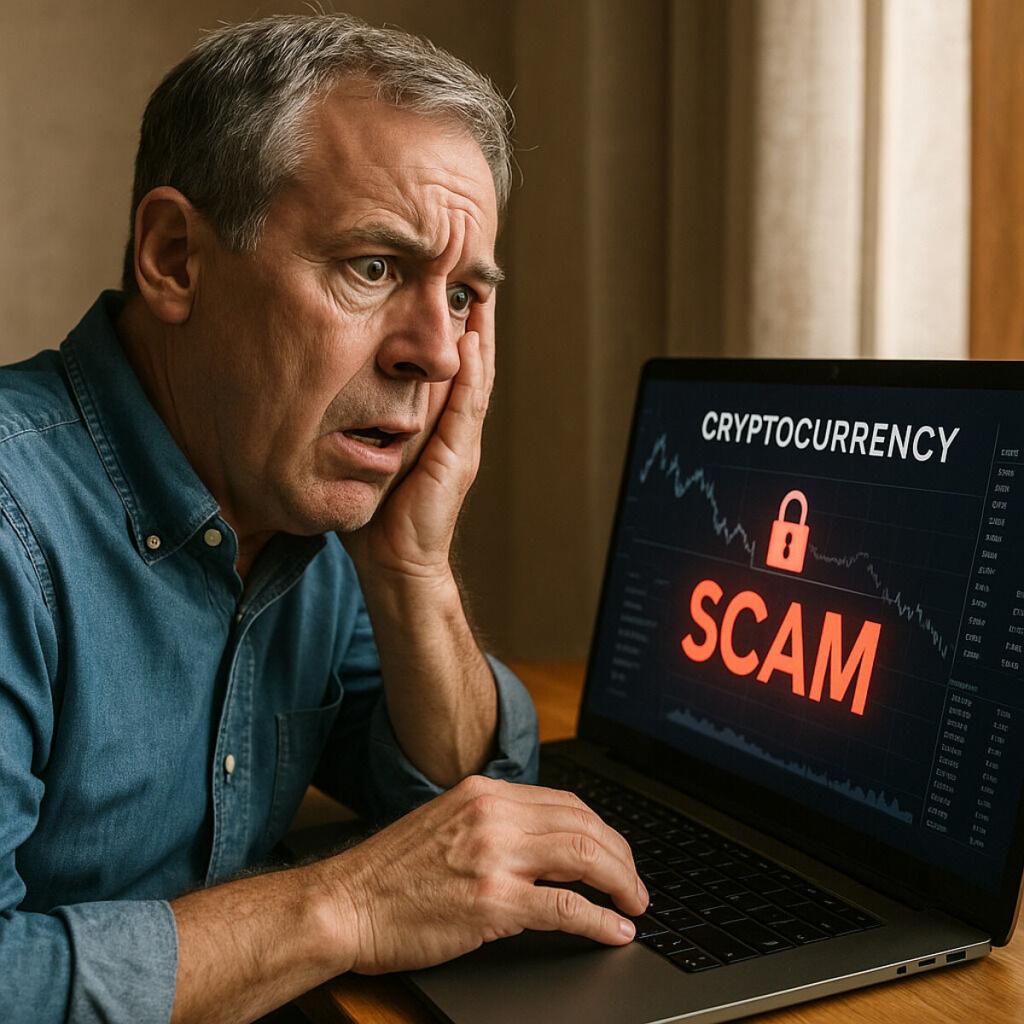
University Professor Loses Nearly $500,000 in Sophisticated Crypto "Digital Arrest" Scam
Jul 09, 2026
When Fear Becomes the Criminal's Most Powerful Weapon
Not every major cryptocurrency crime involves hackers.
Sometimes, all it takes is a convincing phone call.
A university professor in the United States recently lost nearly half a million dollars after becoming the victim of an elaborate "digital arrest" scam.
The fraudsters impersonated government officials and convinced the victim that she was under investigation for money laundering. Over several weeks, she was instructed to remain isolated, stay on continuous video calls and transfer her savings into cryptocurrency as part of what she believed was an official investigation.
Only after speaking with a colleague did she realize that the entire operation had been a carefully planned scam. By then, almost $500,000 had already been transferred.
Investigators say these "digital arrest" scams have become increasingly sophisticated. Rather than relying on malware or phishing emails, the criminals exploit fear, authority and psychological pressure to convince victims to hand over their own money.
Law enforcement agencies are warning that similar scams are now targeting victims around the world, particularly people with international ties or significant savings.
Discussion
Cybersecurity experts often say the weakest link is the human factor. Do you think AI-generated voices and deepfake video calls will make scams like this even harder to detect in the future?
Not every major cryptocurrency crime involves hackers.
Sometimes, all it takes is a convincing phone call.
A university professor in the United States recently lost nearly half a million dollars after becoming the victim of an elaborate "digital arrest" scam.
The fraudsters impersonated government officials and convinced the victim that she was under investigation for money laundering. Over several weeks, she was instructed to remain isolated, stay on continuous video calls and transfer her savings into cryptocurrency as part of what she believed was an official investigation.
Only after speaking with a colleague did she realize that the entire operation had been a carefully planned scam. By then, almost $500,000 had already been transferred.
Investigators say these "digital arrest" scams have become increasingly sophisticated. Rather than relying on malware or phishing emails, the criminals exploit fear, authority and psychological pressure to convince victims to hand over their own money.
Law enforcement agencies are warning that similar scams are now targeting victims around the world, particularly people with international ties or significant savings.
Discussion
Cybersecurity experts often say the weakest link is the human factor. Do you think AI-generated voices and deepfake video calls will make scams like this even harder to detect in the future?